
DadTime™ Influence: Lev Vygotsky
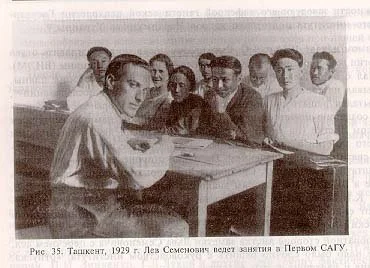
Lev Vygotsky, the “Mozart of Psychology,” who lived to be just 37 years old.
DADTIME INFLUENCE
Lev Vygotsky
Referred to as the “Mozart of Psychology,” Lev Vygotsky was one of the most influential psychologists of the 20th century. He argued that learning is fundamentally social, that higher intelligence isn't just "born"; but rather developed through interaction with parents, peers, and the environment.
Vygotsky introduced the Zone of Proximal Development (ZPD). This is the gap between what a child can do independently (comfort zone) and what they cannot yet do, even with help (frustration zone). The ZPD is the "growth zone" where learning happens.
To help a child bridge this gap, Vygotsky introduced Scaffolding—temporary support that allows the child to achieve the task. Crucially, effective scaffolding doesn't mean doing the work for the child; it means providing just enough structure for them to do it themselves.
At DadTime™, dads practice providing this scaffolding, helping to build their child’s physical and emotional resilience.
The Physical Scaffold: Father’s act as a safety net. They sit with their kids on the mat, demonstrating intention to stay awhile and providing the latitude to explore. Dads scaffold the risk, supporting the child to enter and live in their ZPD, pushing development in literacy, social interaction, motor skills, and physical play.
The Emotional ZPD: Research shows that fathers play in a way that stimulates and challenges children, often pushing them to the edge of their emotional comfort zone. Through Rough-and-Tumble Play, dads bring children into a high-arousal state (the ZPD of self-regulation). The father scaffolds this by monitoring the energy—ensuring it stays fun and doesn't tip into distress—teaching the child to manage big feelings in real-time.
Presence vs. Rescue: DadTime facilitators help fathers distinguish between scaffolding (presence and patience) and rescuing (fixing the problem). Dads practice providing a solid structure in which the child can struggle, fail, and eventually succeed.

A dad provides “scaffolding” while his son inhabits his zone of proximal development at DadTime™
In Play and its Role in the Mental Development of the Child, Vygotsky argues that play can boost the development of memory and imagination.
